I do not start from the assumption that faith and evidence are enemies. I do not understand Christian faith as believing something without evidence. I believe faith and reason work together, and my convictions rest on a cumulative case drawn from philosophy, science, history, archaeology, biblical studies and personal experience. I do not claim that God’s existence can be demonstrated like a mathematical theorem. What I ask is which explanation accounts best for the total evidence available to us. After many years of studying the question, my answer is Christian theism.
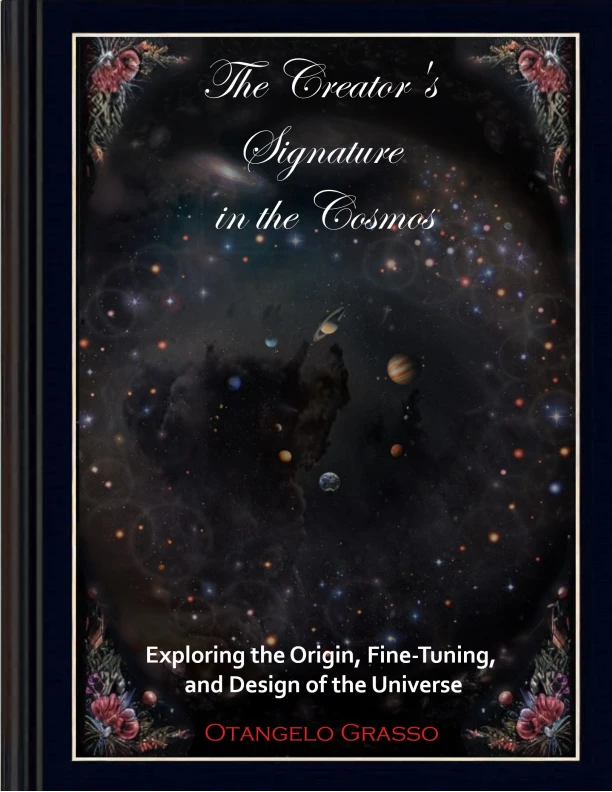
Why I believe in a Creator. The universe is intelligible, ordered and mathematically structured. Its physical constants appear finely tuned for a universe that can support life, and it had a beginning. I believe these facts are better explained by an eternal, personal, transcendent God than by purposeless matter and chance. I do not treat God as a stopgap for what science has not yet explained. I see Him as the ultimate ground of why anything exists at all, and of why the world can be understood.
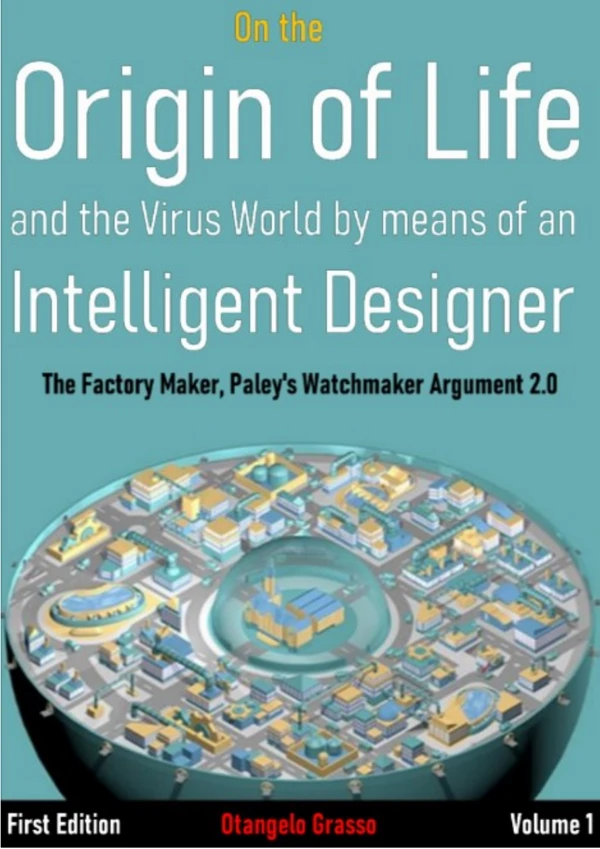
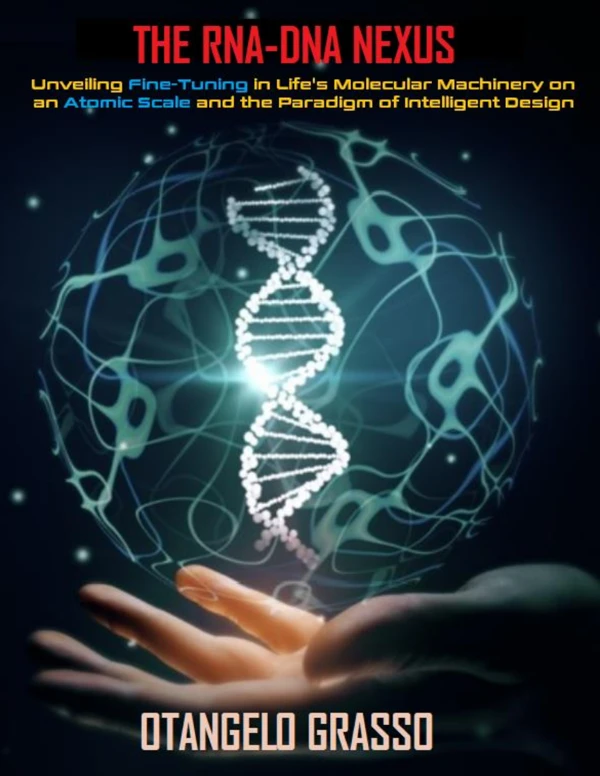
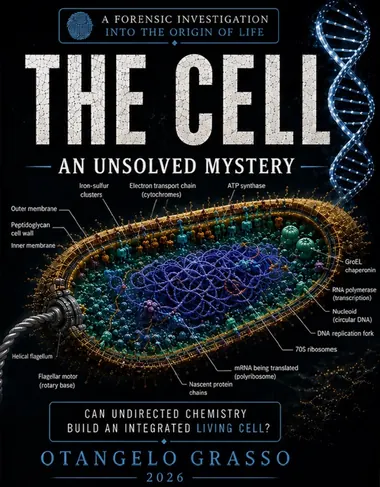
Why I believe in design. My background is in machine design, and I think it shaped how I look at living things. A cell contains molecular machines, coded information, regulatory networks, error-correction systems and tightly coordinated processes. In my own experience, and in everything we know about human engineering, such features come from minds. I do not think Intelligent Design is only an argument from ignorance. It rests on what we know intelligent agents can produce: functional information, codes, coordinated systems and purposeful organization. For the same reason, I do not find current naturalistic models of the origin of life adequate. Life needs far more than organic molecules. It needs information, metabolism, replication, translation and regulation, all working together as one system. I accept variation, adaptation and natural selection, but I do not believe they explain the origin of all biological complexity from a single common ancestor.
Why I distinguish science from naturalism. I value science as one of the most powerful tools we have for investigating the physical world. But science investigates nature, while naturalism claims that nature is all there is. That is a philosophical claim, not a scientific result. I do not think intelligent or supernatural causation should be ruled out before the evidence is examined. When we study origins, we should follow the evidence wherever it leads, and not decide in advance which conclusions are acceptable.
Mind and morality. I reject reductive materialism. Consciousness, rational thought and our ability to grasp truth are hard to explain if mind is only a by-product of mindless matter. I believe objective moral truths also exist. Some things are truly right or wrong, whatever our preferences or culture say, and I believe those truths are grounded in the character of God. Human beings are not accidents. We have dignity, responsibility and purpose because we were intentionally created.
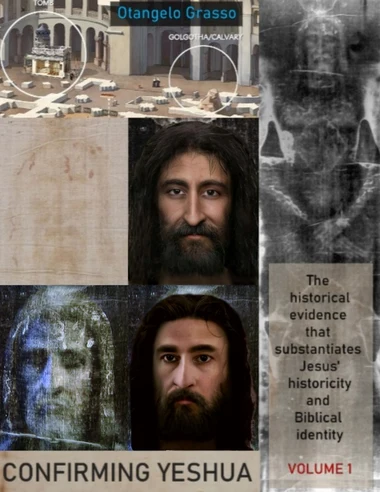
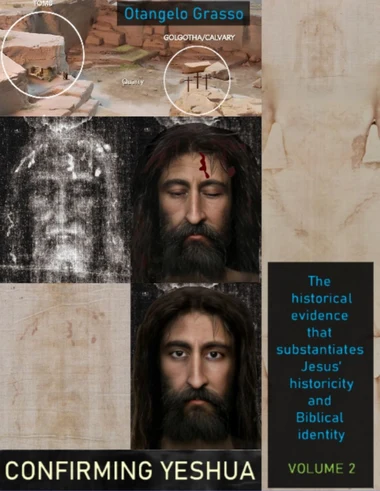
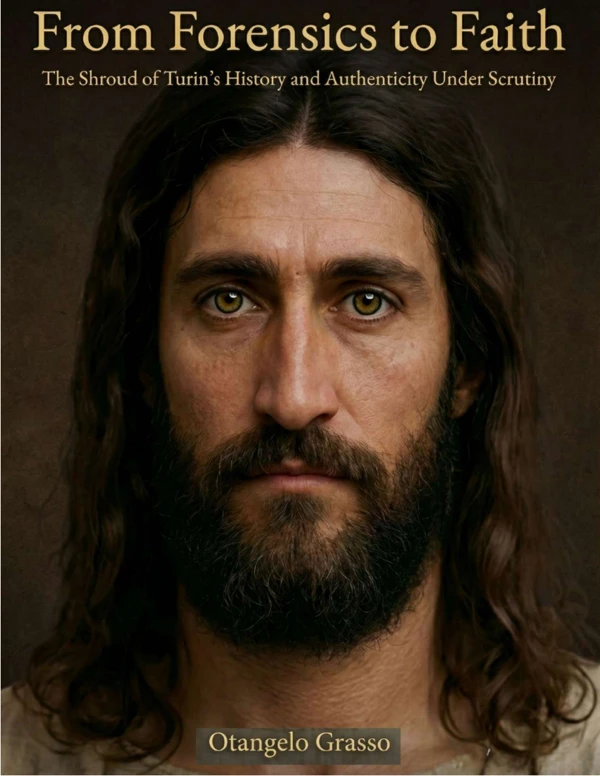
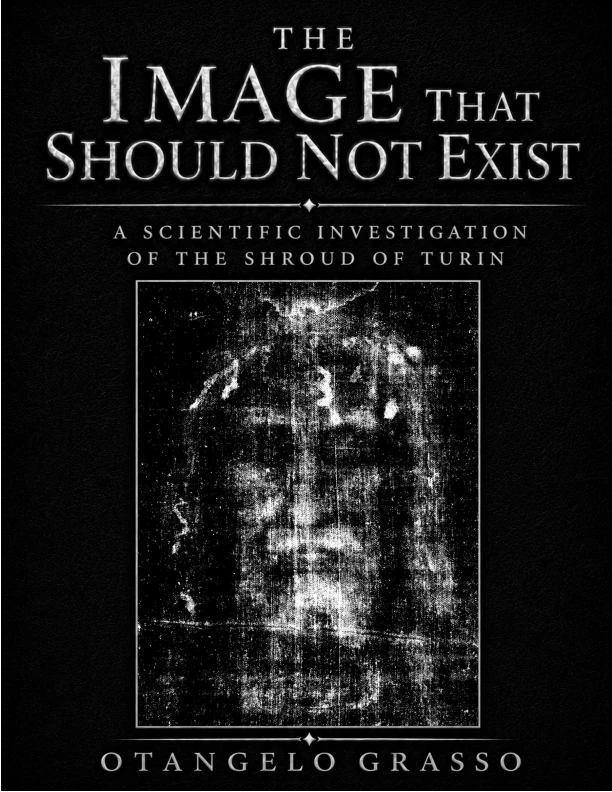
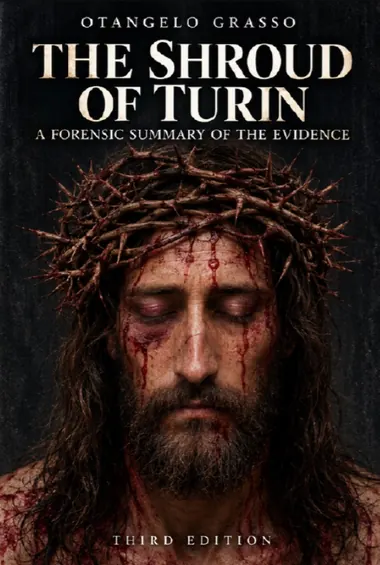
Why Jesus Christ. The argument does not stop at a distant first cause. I believe the evidence leads from the existence of reality to a Creator, and from there to the God revealed in the Bible. I believe Jesus Christ is the eternal Son of God, truly human and truly divine, who died for our sins and rose bodily from the dead. The Resurrection is the center of my faith. It is a claim about something that happened in history, and so it can be examined like other historical claims. I also consider the Shroud of Turin an important piece of that cumulative case. I distinguish carefully between investigating the artifact scientifically and drawing theological conclusions from it, and I think the hypothesis of its authenticity best accounts for the evidence as a whole.
What this means personally. I am an evangelical Christian. I affirm the Trinity, the authority of Scripture, creation by God, the atoning death and bodily resurrection of Christ, and salvation as a gift received through repentance and faith. For me this is not an abstract position. Salvation cannot be earned through rituals, institutions or good works, and it requires personal reconciliation with God through Jesus Christ. I confess Him as my Lord and Savior.
I do not hold these beliefs in isolation. The cosmos, life, mind, morality, history and the Resurrection are connected parts of one larger question, and I believe Christianity answers it most coherently. I invite you to explore the articles, arguments and resources here with a critical and open mind. Test them, challenge them, and weigh the evidence for yourself. I would not want you to accept anything simply because I believe it.